You paid off the house. so why does retirement still feel tight?
Many retirees have built real wealth – but much of it is sitting inside their home. This free playbook explains how home equity can affect retirement flexibility, what today’s reverse mortgages actually do, and when they may or may not make sense.
Watch the podcast clip that started the conversation.
You’re not the only one wondering about this.
You’ve built real equity, but retirement still feels tighter than you expected.
You’ve heard things about reverse mortgages, but you’re not sure what is outdated, exaggerated, or actually true.
You don’t want to be sold. You want to understand the math before making any decision.
If this is about you…
If this is about your parents…
You’ve noticed them cutting back, even though they own a home with significant equity.
You’ve heard reverse mortgages are risky, and you don’t want them taken advantage of.
You also don’t want them to spend retirement afraid to use wealth they worked hard to build.
a different way to think about home equity.
A reverse mortgage looks like a loan, so it often gets judged like a traditional mortgage. But for the right homeowner, it can function more like a retirement planning tool – one that needs to be evaluated carefully.
Today’s FHA-insured reverse mortgage is heavily regulated and includes borrower protections that did not always exist in older versions of the product. That is why it is important to separate old assumptions from current rules.
For some retirees, home equity is one of their largest assets – but it is often the least discussed part of the retirement plan. A reverse mortgage is one way to access that equity without taking on a required monthly mortgage payment.
That does not mean it is right for everyone. Used correctly, it may help solve specific retirement income, tax, cash flow, or legacy planning challenges – but only when the math supports it.
What you’ll learn inside.
The three basic rules every reverse mortgage follows – and why they matter
How FHA insurance helps protect homeowners, spouses, heirs, and the estate
Why the line of credit feature is often the part homeowners know the least about
How some retirees coordinate home equity with tax and retirement income planning
What adult children should ask before a parent makes a decision
The spouse protections that matter most before signing anything
When this strategy may be the wrong fit – and how to tell
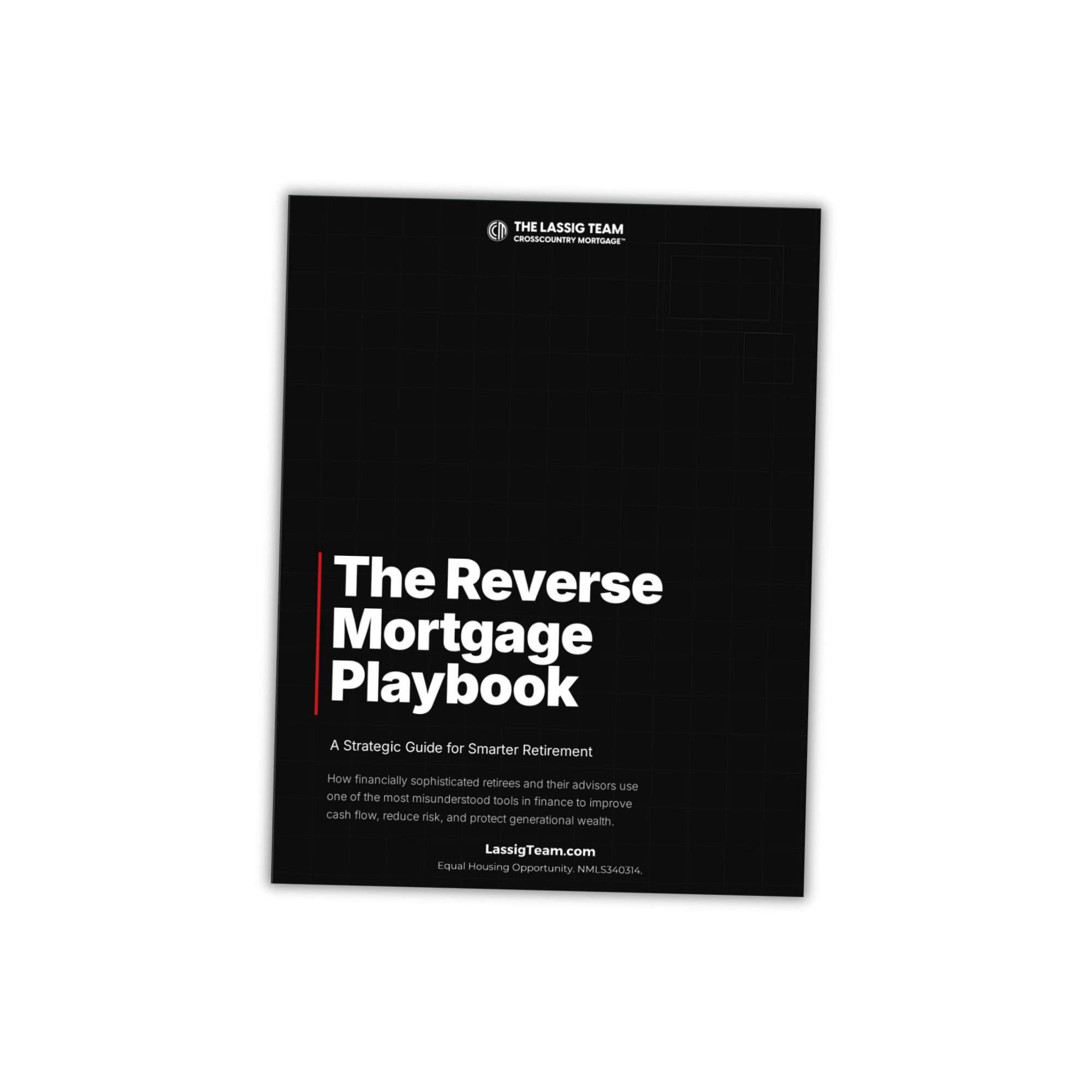
Get the guide
Based on a video with 400,000+ views
Want to talk through this with someone? Schedule a call for yourself or with a family member.
Your Questions, Answered
-
No. The homeowner remains on title and keeps ownership of the home. Like a traditional mortgage, the lender has a lien on the property, but the homeowner still owns the home.
-
They may, depending on the home value and loan balance when the loan becomes due. Heirs can typically sell the home and keep any remaining equity after the loan is paid off, or they may refinance or repay the loan to keep the home.
-
With an FHA-insured HECM, the loan is non-recourse. That means the homeowner, heirs, and estate are not personally responsible for paying more than the home is worth when the loan is repaid. The CFPB explains that heirs who want to keep the home may repay the full loan balance or 95% of the appraised value, whichever is less. Learn More
-
No required monthly mortgage payment is due as long as the homeowner continues to meet the loan requirements. Those include living in the home as their primary residence, keeping property taxes and homeowners insurance current, and maintaining the property. Learn more
-
It depends on whether the spouse is a borrower, co-borrower, or eligible non-borrowing spouse. For FHA-insured HECMs, certain eligible non-borrowing spouses may be able to remain in the home after the borrower passes away if they meet the program requirements. HUD notes that special provisions may postpone repayment for qualifying non-borrowing spouses. Learn more
-
No – the FHA HECM is a federally insured mortgage product, not a scam. That said, it is still a major financial decision, and homeowners should understand the costs, requirements, and long-term impact before moving forward.
-
It may not be the right fit for someone planning to move soon, someone with limited equity, or someone whose top priority is leaving a debt-free home to heirs. The playbook walks through when it may make sense – and when it probably does not.
-
Schedule a no-pressure conversation with our team to talk through your questions and see how the numbers may apply to your situation.